
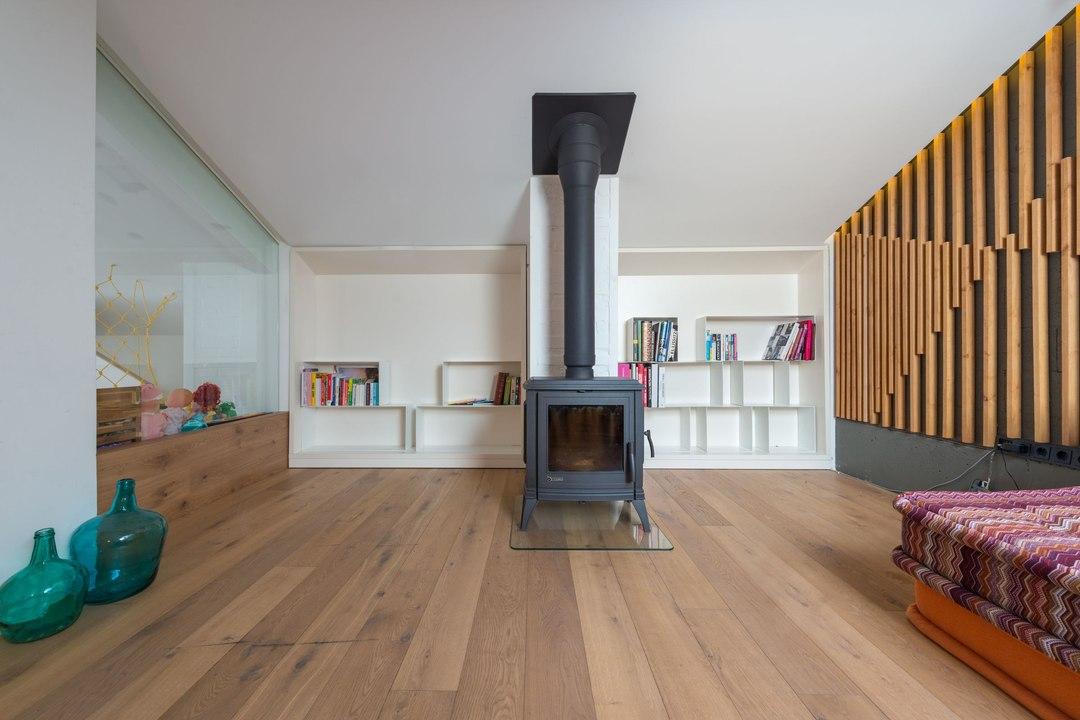
Pellet Stove Repair in Laguna Woods for Stoves That Stall or Smoke
Where Has the Chimney Moved?
Tell us the street, the kind of chimney and what looks different since the last shake. Lombard calls back to set a visit.
Scope of This Job
Feed motor, igniter, blowers and controller all have to work together in a pellet unit, and one failure stops it. We clean ash from the firepot and passages first, since buildup causes many shutdowns, then test the parts in turn. Because the vent pipe is light and jointed, we also confirm it was not pulled apart by shaking. Parts are priced in writing before ordering.
How a Pellet Stove Breaks Down
Pellet stoves are uncommon in this part of Orange County, and owners who have one often struggle to find anyone willing to work on it. We do, and the way we work on them is methodical. A pellet stove depends on electricity and timing. A motor turns a screw that drops fuel into a small cup, an electric element lights it, one fan pushes exhaust out and another blows warm air into the room, and switches watch temperatures and pressure along the way. When any link stops, the controls shut the stove down, often with a code on the display. The usual causes are simple: a feed screw jammed by fines or a wet pellet, an igniter that has burned out, a fan bearing that has worn, a vacuum switch hose that has cracked, or ash built up until air cannot pass. We read the code, test the parts in order, and replace the one that failed. Parts are matched to the make and model, so having that information when you call speeds things up.
A good share of service calls end with cleaning rather than parts. Ash collects in passages the owner cannot reach, and as it builds, the stove runs hotter, lights slower and trips its safety switches. We open the stove, clear the passages, brush the exhaust fan housing and clean the vent, then run the stove through a full start and check that it settles into a steady burn. Door and hopper gaskets are checked too, since a stove that leaks air will not run right however clean it is. Owners who burn a few bags a winter often go years between cleanings, and the stove tells them only by failing to start on the first cold day. A cleaning before the season avoids that, and it gives us a chance to spot a part close to the end of its life before it stops the stove in January.
The Vent Run After a Shake
Pellet stoves vent through a small pipe that usually leaves through a side wall, sometimes rising first, and that pipe is the part most exposed to movement. The stove sits on the hearth while the pipe is fixed to the wall, and a shake can move one relative to the other. Pipe sections twist apart at their joints, the wall thimble cracks, or the outside cap bends. Because pellet exhaust is pushed by a fan, a leak at a joint can blow fine ash and fumes into the room or into the wall. Each time we repair a pellet stove we follow its vent run all the way out to the cap, reseal or replace joints that have moved, and confirm the clearances to anything that can burn. If the stove itself has shifted on its pad, we reset it.
Repairs are priced when we know the fault and the part, and you approve the cost before any part is ordered. If the stove has reached the age where boards and motors are hard to find, we tell you so, along with what a replacement would cost. Use the contact page to book and describe what happens when you start the stove: whether it feeds, whether it lights, what the display shows and whether the trouble began after a shake. We also want to know which pellets you use, since damp or dusty fuel causes many feed problems on its own. If the stove vents through a wall that faces a walkway or a neighbor, mention that too, because the space around the outside cap is part of what we check. Stoves that shifted on their pad after a shake should stay off until we have seen them.
How Lombard Chimney Care Works a Job
Movement Checked First
Cracks, gaps and lean looked at before any fix
Camera Where It Counts
Video of the flue when a visual look falls short
Scope in Writing
The work and its price written down before it starts
Photo Record Kept
Pictures of what we found, yours to keep
Where Lombard offers pellet stove repair
Choose a city for notes on its housing stock, its ground and its weather, and on how those shape the work on its chimneys.
CA
Pellet Stove Repair in Laguna Woods
With detached houses at a mere 7%, exterior chimney work is routed through the community associations. Our Level 2 report is written so a resident and an association board can both read what shifted and where.
Open city pageCA
Pellet Stove Repair in Laguna Hills
Nellie Gail Ranch puts custom and semi-custom homes beside its bridle trails, while tract streets hold stucco and tile. On either, our inspection follows the chimney from firebox to crown, looking for the cracks a shake leaves behind.
Open city pageCA
Pellet Stove Repair in Mission Viejo
Masonry fireplaces turn up mainly in the early and custom homes; most others run factory-built metal or gas. On brick we look for a stack leaning off the wall, and on metal for flue joints that shaking has pulled apart.
Open city pageCA
Pellet Stove Repair in Costa Mesa
One brick chimney per house was the postwar tract habit here, often with steel inside and now decades old. Steel that rusts within mortar swells and splits it, and a Level 2 camera run is how we look for that before the next shake does.
Open city pageMore From Lombard
Chimney Sweep
Flue brushing that doubles as a structural look, with cracked tiles or loose mortar noted while the liner is bare.
Details →Chimney Inspection
A visual Level 1 check under NFPA 211 of every reachable part, read for cracks, lean and separation.
Details →Chimney Repair
General repair for stacks that have cracked, loosened or let water in, with the cause found before the fix.
Details →Fireplace Inspection
The room side of the system examined for heat damage and quake cracks before the next fire is lit.
Details →Fireplace Repair
Cracked firebrick, loose hearths and failed joints put right so the firebox holds heat safely again.
Details →Chimney Level 2 Inspection
Camera inspection of the whole flue plus attic and roof checks, the level called for after shaking, a sale or a fire.
Details →Chimney Cap Installation
Fitted caps that keep water and animals out, anchored so a jolt or a gust does not dislodge them.
Details →Chimney Flashing Repair
Metal at the roofline rebuilt where shaking or age has pulled it loose and water now runs behind it.
Details →Chimney Masonry Repair
Open joints, cracked brick and loose stone repaired with mortar matched to the age and strength of the chimney.
Details →Chimney Rebuilds
Chimneys taken down past the damaged section and rebuilt with steel, anchors and a new crown.
Details →Fireplace Cleaning
Firebox, doors and smoke stains cleaned, with a look at the brick behind the soot for cracks.
Details →Gas Fireplace Cleaning
Burner, logs, glass and vent of a gas unit cleaned, with the vent run checked for joints shaken apart.
Details →Gas Fireplace Repair
Gas units that fail to start, drop out or burn poorly, traced to the failed part and repaired.
Details →Fireplace Remodel
New surrounds, hearths and fireboxes planned around clearances and the weight a quake puts on heavy stone.
Details →Fireplace Inserts
Closed wood or gas inserts with a full-height liner, a good fit for masonry flues with cracked tiles.
Details →Wood Stove Repair
Wood stove seals, baffles and pipe put right, with the stove's footing and connector checked for shift.
Details →Gas Logs
Gas log sets fitted to an existing firebox once the chimney behind it has been confirmed fit for use.
Details →Chimney Seismic Retrofit
Bracing, anchors or a lighter rebuild for older brick stacks, planned around how this chimney meets the house.
Details →Chimney Crown Repair
Crowns cracked by shaking, heat or a thin original pour, restored so water stops reaching the brick below.
Details →Dryer Vent Cleaning
Lint cleared from the whole duct run, with joints and the wall exit checked after shaking.
Details →Chimney Liner Installation
A stainless liner inside a flue whose clay tiles cracked or shifted, so exhaust stays contained.
Details →Chimney Leak Repair
Water traced to its entry point, often a crack or flashing gap opened by movement, then stopped.
Details →Chimney Waterproofing
A breathable sealer applied to repaired masonry so rain stays out of joints that movement has stressed.
Details →Chimney Damper Repair
Dampers jammed or knocked out of line by movement, freed, reset or replaced with a tighter seal.
Details →Chimney Chase Cover
Rusted or pooled chase tops on factory-built chimneys replaced with a custom stainless cover.
Details →