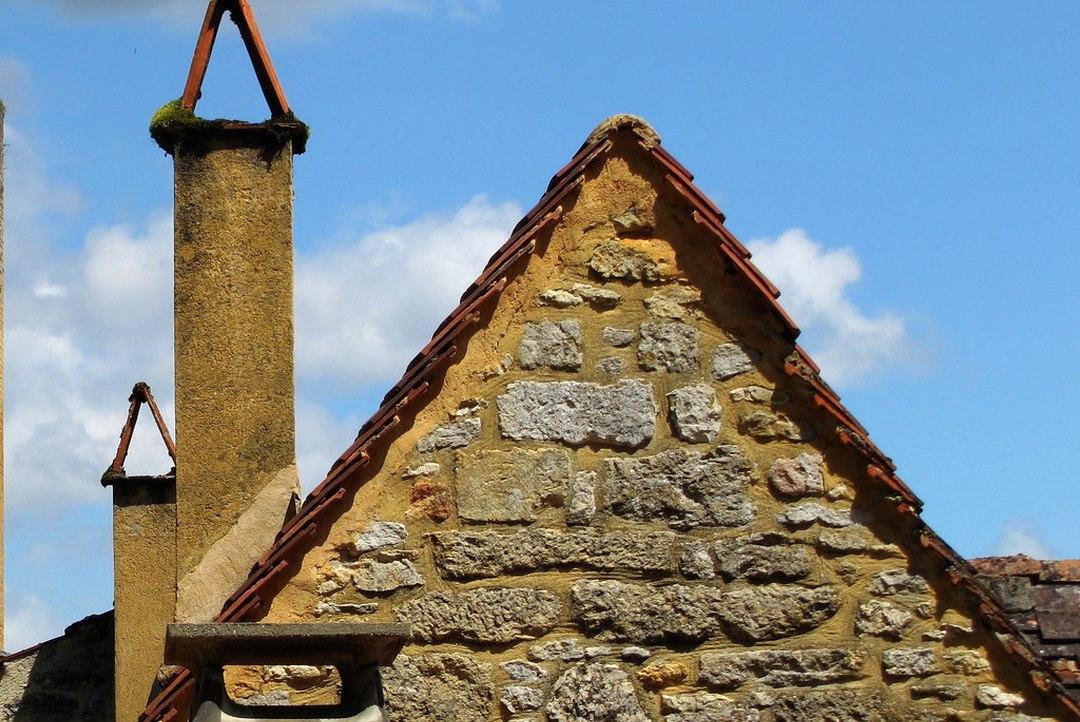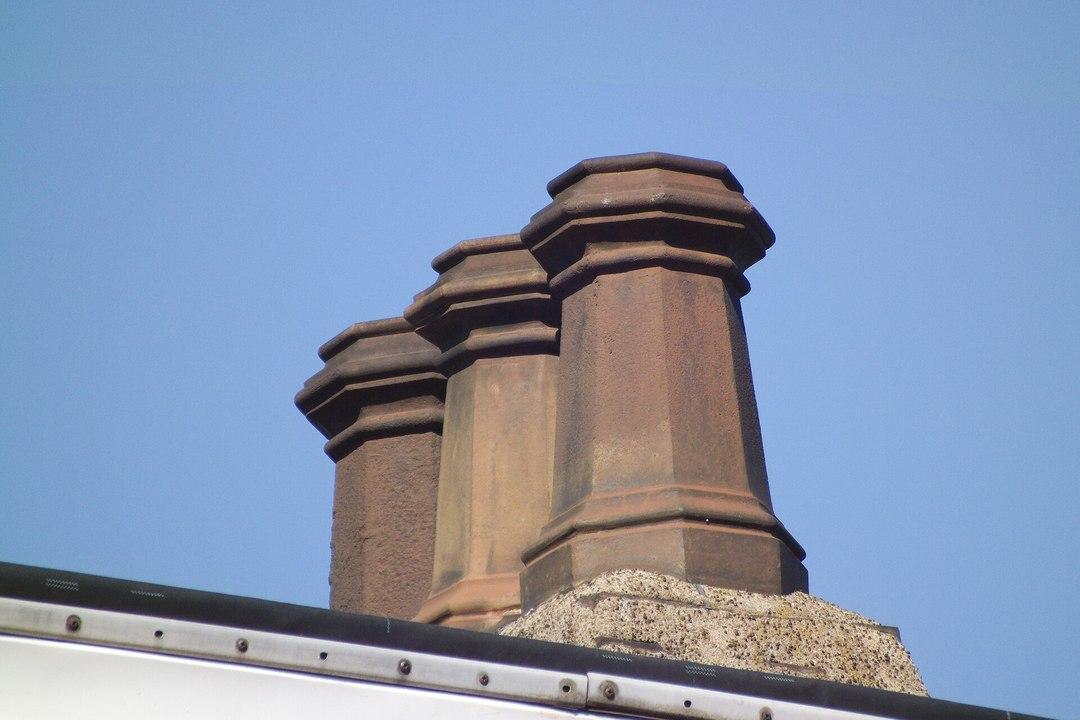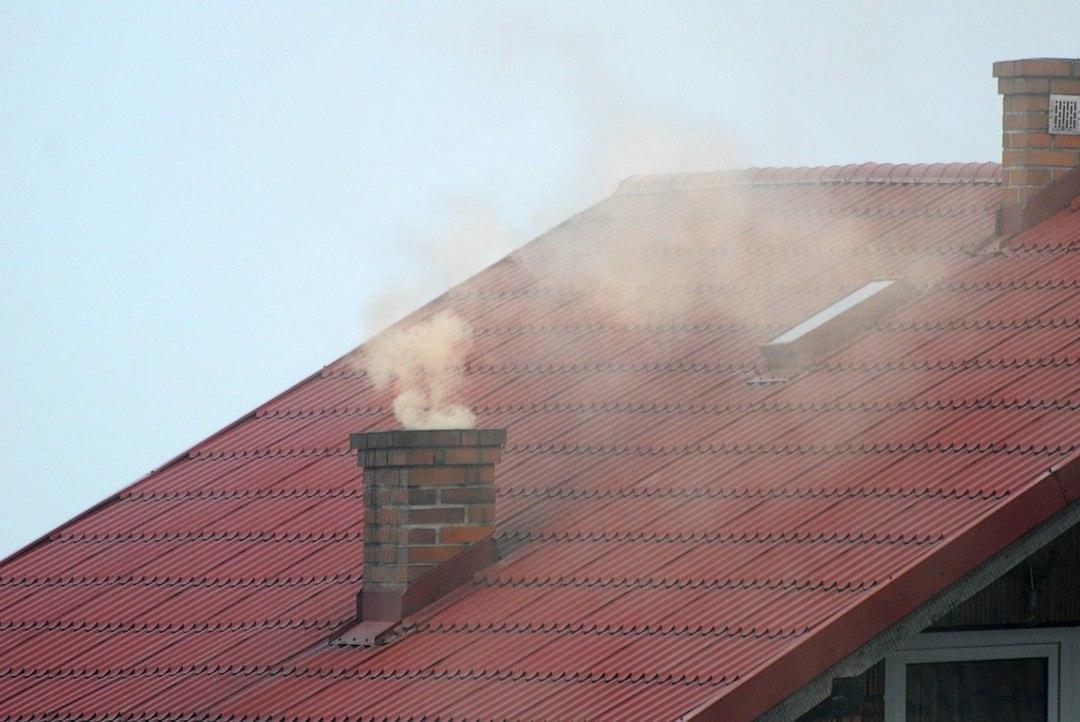
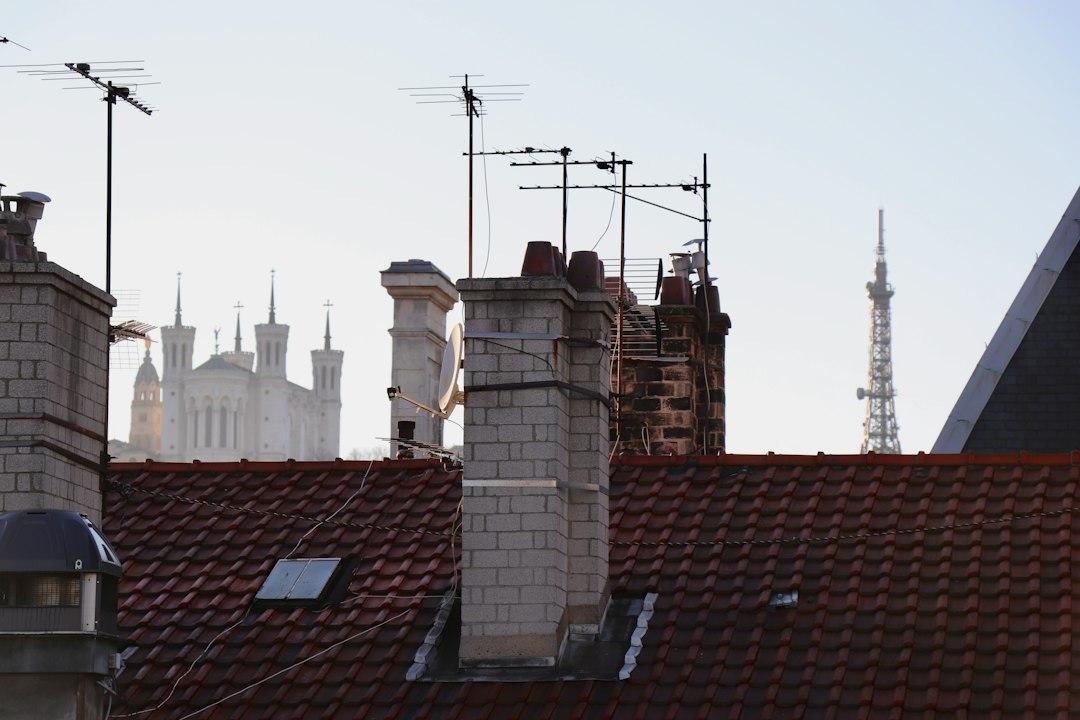
Owners usually call about a rebuild after something has changed: a crack that now runs through several courses of brick, a stack that leans a little toward the street, or a roofer who looked at the chimney for another job and frowned. In Laguna Woods, much of the housing went up from the mid 1960s onward, and those chimneys have since ridden out every shake Southern California has sent their way. Some are fine. Some are not, and for those a rebuild is the honest fix.
This post covers what moves the price of a rebuild, which related jobs carry a published figure on our list, and how the written scope comes together.
What a rebuild actually replaces
A rebuild means taking brick off the chimney and laying it back up with fresh mortar, steel where it belongs and a new top. How much comes off is the biggest single factor in the price.
- The stack above the roof. This part whips hardest in a quake and takes the most weather. Often it is all that needs to come down.
- Into the attic. If cracking carries on below the roof, we keep lifting courses until the mortar holds and the brick is firm in its bed.
- To the firebox or the footing. Rare, and only when the whole column has shifted or the lower brick is failing too.
Nobody can judge the depth from the street. The camera and a close look at each section decide it.
What moves the figure
Two chimneys of the same height can end up far apart once these are added up.
1. Height and width. A tall stack carrying two flues is more brick, more staging and more hours than a short one with a single flue. 2. Depth of removal. Each extra foot below the roofline adds labor, more protection for the roof and attic, and more debris to haul. 3. Reused or new brick. Sound old brick can sometimes go back up, which helps the chimney match the house. Spalled or soft brick has to be replaced. 4. The liner. A rebuild is the moment to deal with a cracked clay liner. If the same shaking damaged the tiles, they come out with the brick or the flue gets a new liner. 5. The top. Every rebuild finishes with a new crown and, nearly always, a new cap. 6. The roof. Tile and steep roofs take longer to protect and work around than a low pitch with shingles. New metal goes in where the rebuilt brick meets the roof. 7. Steel. Where it makes sense, reinforcing goes into the new courses or a brace ties the stack back to the framing. That choice depends on the house and is talked through before anything is ordered.
Parts of the job with a published price
A rebuild carries no figure on our price list, because the factors above swing it too far for a fair range. Several parts of the work do have a set price, and they often appear on the same scope:
- Camera inspection that sets how deep the removal goes: $390
- Water diverter behind the stack with fresh roof metal: $670 to $1,650
- That diverter on its own, where the existing metal is sound: $445 to $1,010
A new cap on the rebuilt top is quoted after we measure. The rest of the rebuild, meaning brick, mortar, crown, liner and any reinforcing, appears as line items on the written scope, with a total you see before work begins.
How the scope is built
It starts with the Level 2 inspection. The camera travels the whole flue, and we climb up to check the stack on the roof, then go into the attic where the chimney runs past the rafters. That shows where the cracking stops, whether liner tiles shifted, and whether the stack has moved away from the house.
From that we write the scope. It says how many courses come down, whether brick is reused, what happens to the liner, what goes on top, how the roof is protected and repaired, and the total. If the removal uncovers something the camera could not show, such as soft mortar lower down, work pauses and we talk before going deeper. Nothing is added without your signature.
Request the inspection that scopes a rebuild. Mention what changed on the chimney and roughly when you first saw it, and we arrange the camera visit.
Rebuild or repair?
Not every cracked chimney needs to come down. Open mortar joints in sound brick can be repointed. A cracked crown on a solid stack can be recast. Our masonry repair page covers those smaller fixes. A rebuild is for brick that has lost its bond: courses that move when pushed, a crack that steps through the stack from one face to the other, or a top that has tipped.
There is also a middle road. Some chimneys can stay up with steel bracing and a rebuild of only the top few courses. We compare those routes in Seismic Bracing or a Rebuild?.
What owners ask before signing
Will the chimney look the same? We aim to match brick size, color and the look of the mortar joint. Where old brick goes back up, the match is close. Where new brick is needed, we bring samples to hold against the house.
Can we keep using the fireplace? Not while brick is off. Once the rebuild is finished and the crown has cured, yes.
What about the association? Many Laguna Woods properties sit inside an HOA. If the chimney counts as an exterior or shared element, the board may need to approve the work. We can send the scope to the board as well as to you.
Will a rebuild stop the leak as well? Usually, because new brick, a new crown, new metal at the roof and a cap close the most common ways in at once. If water was getting in somewhere else, the scope says so.
Before you decide
A chimney that has started to move will not move back on its own. The sensible next step is to learn how far the damage runs, and the camera is what tells you. Read what a chimney rebuild involves, then head to our contact page so we can set up the inspection that turns a worry into a scope with a number on it.
Want Your Own Chimney Checked?
Lombard Chimney Care works from Laguna Woods across Orange County. We look for movement, cracking and water first, record it in photos, and write the repair scope and price down before any work is agreed.