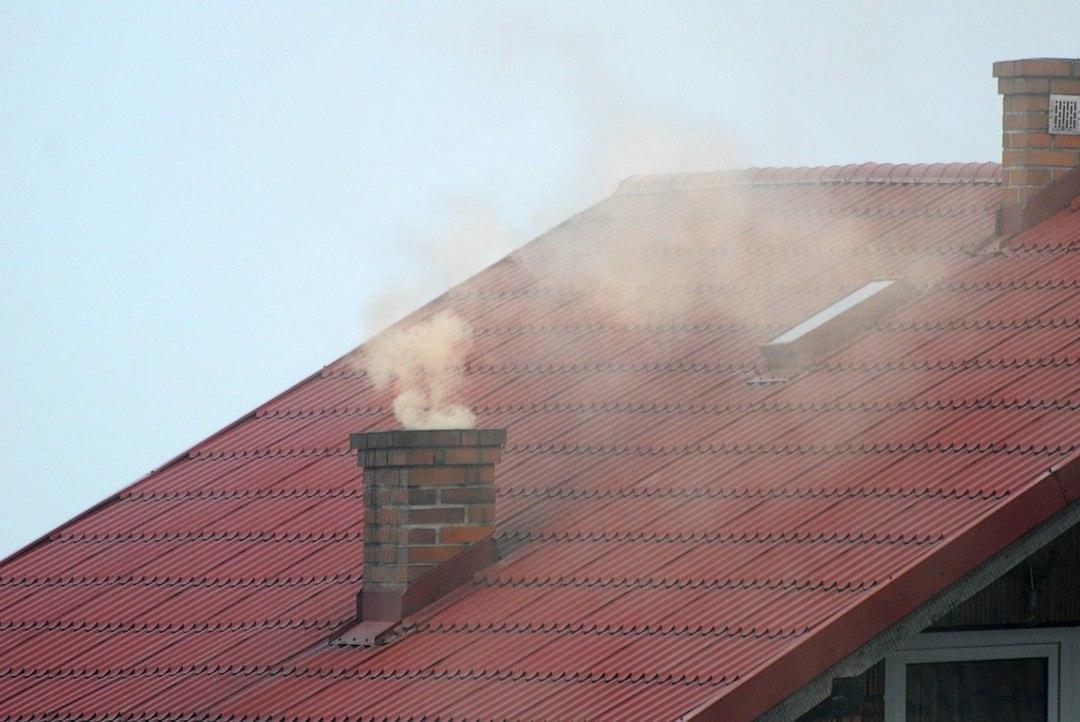
Chimney masonry looks simple from the driveway: a few bad joints, a cracked crown, some loose brick up top. Yet the bids that come back can sit far apart, and the low ones are usually low because they leave out the part you cannot see. For a chimney in Laguna Woods or elsewhere in south Orange County, quake movement adds another layer. Patching a crack that came from shaking, without asking why it opened, is how owners end up paying twice.
Here is what we think an owner should press any crew on, ourselves included.
Did anyone look inside before pricing?
A masonry bid written from the ground is a guess. The outside of the stack tells you about the brick and mortar. It says nothing about the liner, and after shaking the liner is often where the damage sits. Ask whether the bid followed a camera inspection, or whether the crew will run one before work starts.
If a crack outside lines up with a crack in the flue, repointing the outside alone does not make the chimney safe to burn.
Does the bid account for the shaking?
A crack from weather and a crack from movement call for different answers. Weather cracks tend to sit in the top few courses and the crown, where rain and sun do their work. Movement cracks often follow a stair pattern through the joints, cluster at the roofline where the stack meets the house, or show up as a gap along the siding. If a crew prices only the mortar and never asks how the chimney is tied to the framing, the same crack can open again with the next decent shake. Ask whether they looked at the attic, and whether bracing or a partial rebuild was considered and ruled out, and why.
What mortar goes in the joints?
Older brick tends to be softer than modern brick, and the original mortar was softer too. A crew should match the new mortar to the strength of the brick. When the joint ends up stronger than the brick on either side, it is the brick that cracks and flakes next, and that damage cannot be repointed.
Ask which mix they plan to use, and why that one.
How deep will the repair go?
Repointing means cutting out failed mortar and replacing it. A thin skim over the surface looks fine for a season. Ask how deep they cut the joints and how they decide the mortar left behind is sound.
The same goes for loose brick at the top. Resetting a few bricks is a different job from taking down courses until the stack is solid. If a bid reads "reset loose brick", ask how many courses and what happens if the brick below is loose as well.
How will the roof and the house be protected?
Masonry work happens on your roof, sometimes on tile that breaks under a careless boot. Ask:
- How the crew gets up and moves around the roof covering
- Where debris goes and how it gets lowered
- How the fireplace opening and the room are sheeted from inside
- Who repairs any tiles or shingles disturbed around the base
Does the scope cover the top?
Most chimney water damage starts high: crown, cap and the metal where the roof meets the brick. A brick repair that leaves a cracked crown in place lets water keep working on the new joints. Ask whether the bid includes the crown and cap, and if not, why not.
Is it all in writing, with a total?
A proper scope lists each item, its spot on the chimney, the method, and its price, with a total at the bottom. It also says what happens if the work uncovers a surprise. On our jobs we stop, show you, and price the change in writing before carrying on.
What we publish, and what goes on the scope
Our published prices cover inspections and a handful of roof-level parts:
- Camera inspection of the full flue before brickwork: $390
- Visual check of the reachable parts: $165
- Diverter on the high side of the stack: $445 to $1,010
- That diverter plus new metal at the roof joint: $670 to $1,650
- Finding where a leak gets in and closing it: $560 to $3,350
A cap at the top once the masonry is done is quoted after we measure the flue. Repointing, crown work and rebuilding depend on the chimney in front of us, and each gets its own line on the scope. The inspection is what sets those lines, so that is the place to begin.
Request a masonry inspection and scope. Mention which parts worry you, where on the chimney they are, and whether the house has felt a recent quake.
Warning signs in a bid
- A single price for "chimney repair" with no list of what it covers
- No mention of the liner after you have said the house shook
- Pressure to sign before you have had time to read it
- A clear sealant sprayed over cracked joints as the whole fix
- No plan for the crown
Where we fit
Lombard Chimney Care works on masonry chimneys around Laguna Woods with the quake history of the area in mind. We look at what moved before deciding what to fix. There is more on the work itself on our chimney masonry repair page, and on how we operate on the about page. If the brick has gone past repair, Chimney Rebuild Cost in Laguna Woods covers the bigger job.
Want a second opinion on a bid, or a first one? Send the details through our contact page and we will arrange a visit.
Want Your Own Chimney Checked?
Lombard Chimney Care works from Laguna Woods across Orange County. We look for movement, cracking and water first, record it in photos, and write the repair scope and price down before any work is agreed.