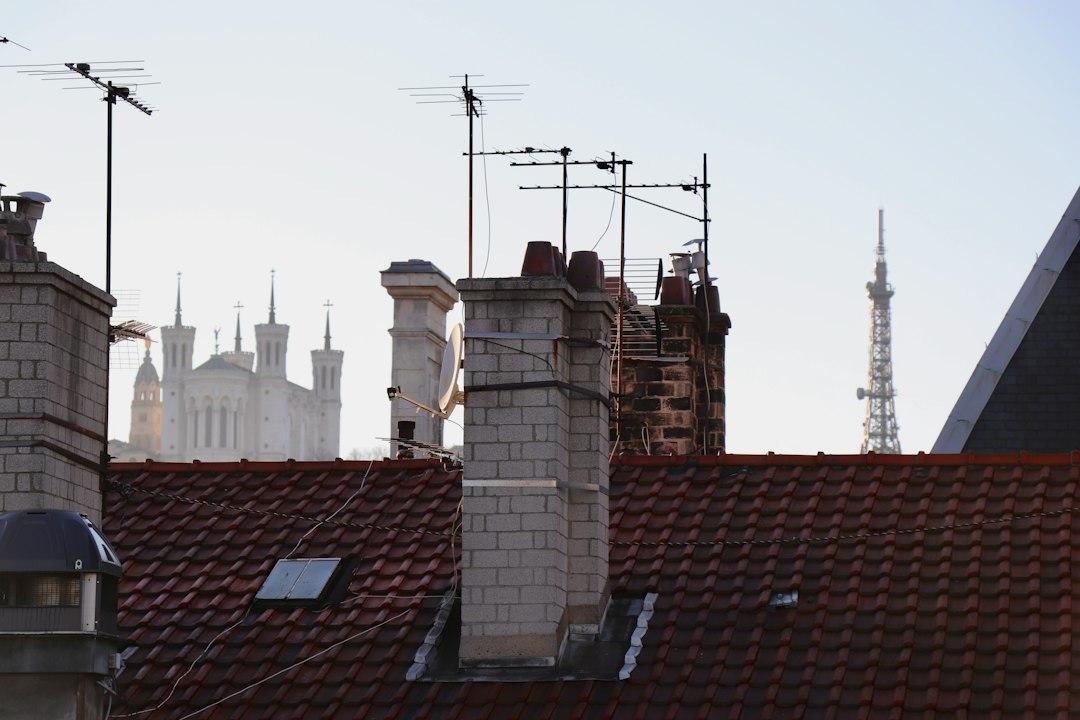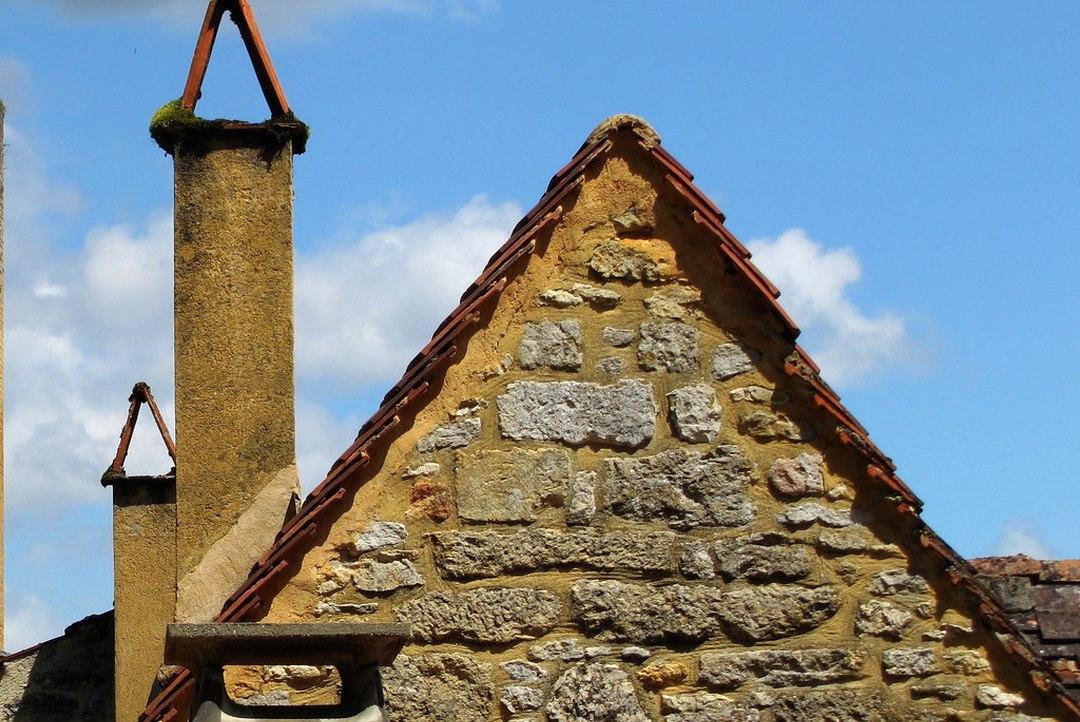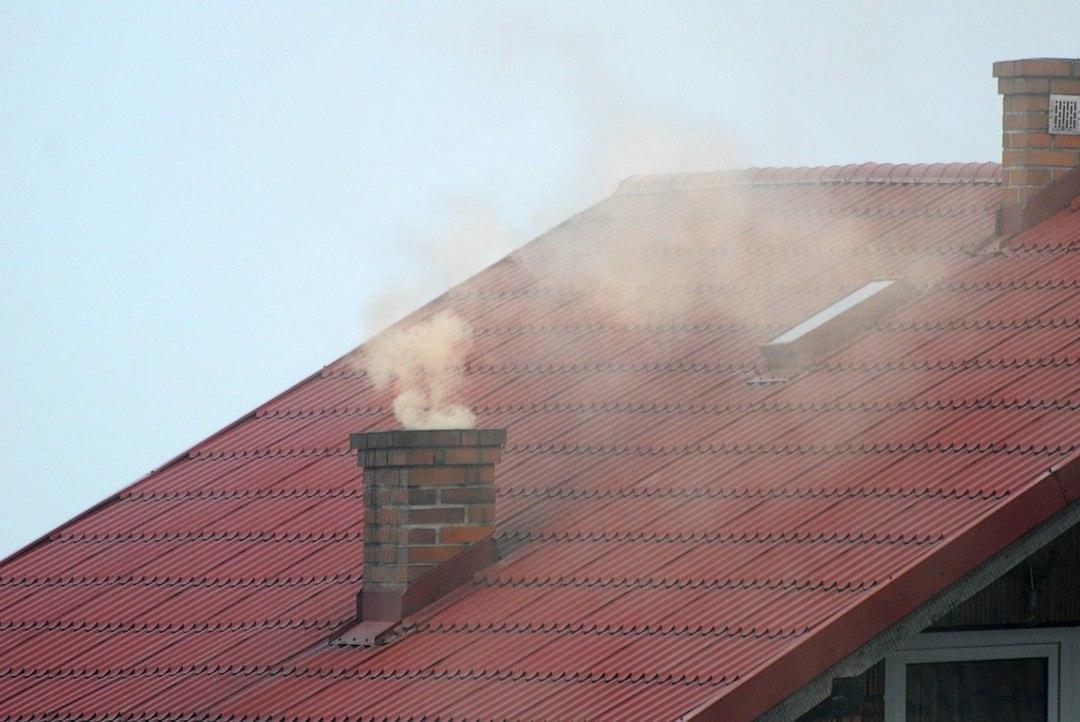
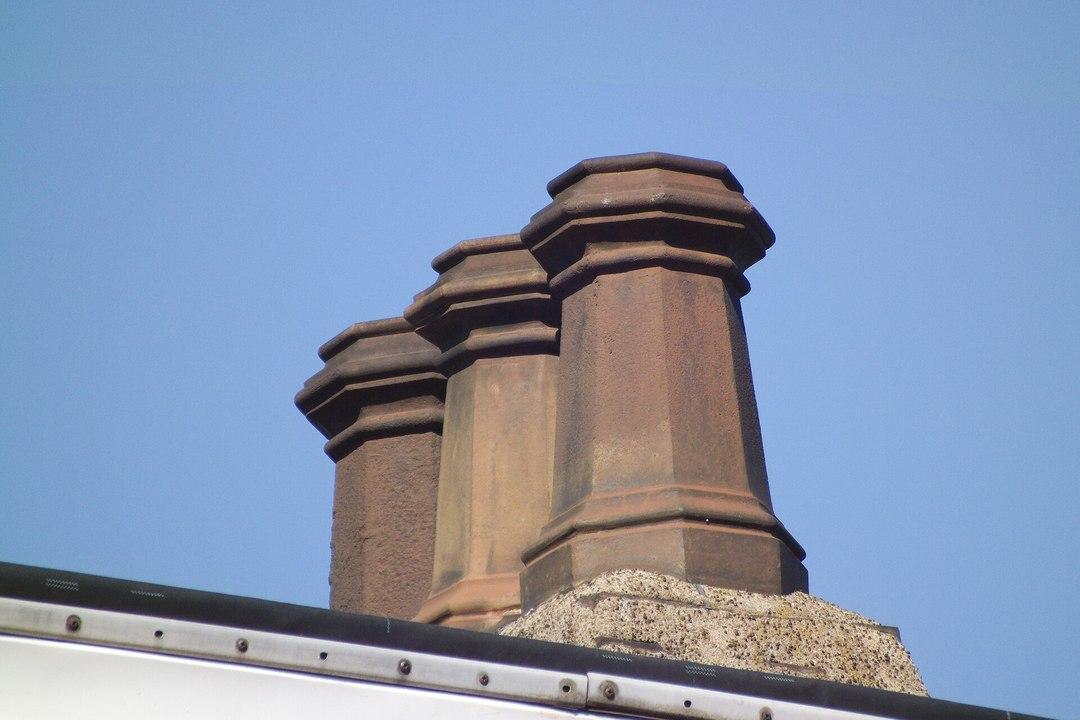
In a strong quake, the section of a masonry chimney above the roof is the piece most likely to fail. It stands up with nothing beside it, it is heavy, and the mortar holding it together has been weathering for decades. When it lets go, brick lands on the roof, the yard or a walkway. Owners in Laguna Woods ask us how to stop that from happening, and there are two broad answers: hold the chimney in place with steel, or take the weak part down and build it back stronger or lighter.
Neither is right for every house. Here is how each works, when we would suggest it, and what decides the cost.
Route one: steel that holds the stack
Bracing leaves the brick where it is and adds steel so the stack cannot swing free. The details differ from house to house, but the general picture is:
- Steel angles or a frame up the faces of the stack above the roof, tied together around it
- Members running from that frame back to the roof structure, fastened into rafters or framing below the sheathing
- Metal anchors joining the chimney to the floor and ceiling framing where it runs along the wall
The aim is for the chimney and the house to move as one instead of against each other.
When bracing suits: the brick and mortar are sound, the stack is plumb, the crown is in fair shape and the liner passed its camera inspection. Bracing protects a healthy chimney. It does not mend a damaged one.
What moves the price: the height of the stack above the roof, the roof covering (tile needs more care than shingle), how easy the framing is to reach from the attic, and how many tie points the stack needs.
Route two: rebuild the top
The other approach removes brick from the top down to where it is sound, then builds back. Owners choose between:
- Brick again, with reinforcing steel set into the new courses, then a new crown and cap.
- A lighter top, where the masonry stops near the roofline and the part above is framed and finished, with a metal flue inside. Far less weight up high.
Either way, the old loose brick above the roof is gone.
When rebuilding suits: the top courses are loose, cracks step through the brick, the stack has tipped, or the crown and the top of the liner are failing anyway. Paying for steel to hold up brick that needs replacing means paying twice.
What moves the price: how many courses come down, whether brick or a framed top goes back, any liner work, the new crown and cap, and roof repair around the base.
Side by side
- Brick condition needed: bracing needs sound brick; a rebuild replaces poor brick.
- Looks: bracing leaves steel visible on the stack; a brick rebuild looks like the original; a framed top looks different and may need association sign-off.
- Using the fireplace afterward: both return to normal use; a framed top carries a metal liner sized to the appliance.
- Roof work: both touch the roof; a rebuild always includes new metal where brick meets roofing.
What decides between them
You cannot choose between these from the ground. The answer turns on the condition of the brick and mortar above the roof, the state of the liner, and how the chimney connects to the house. A Level 2 inspection, $390 per chimney, gives us all three: footage of the flue, a look at the stack from the roof, and the chimney where it passes the attic.
With that in hand, we write up whichever routes fit the house. Often there are two on the page with their totals, and you choose. Bracing and rebuilding carry no figure on our published list, since no two stacks call for the same steel or the same number of courses; their numbers come on the written scope. Related parts with a set price include a water diverter with fresh roof metal at $670 to $1,650. A new cap is quoted on site.
Ask for the inspection and a side-by-side scope. Give us a sense of how tall the stack stands above the roof and whether you have seen cracks, and we arrange the visit.
What the work looks like on the day
Whichever route you pick, the job starts with protection. Roofing around the base gets covered, the fireplace opening is sealed from the room side, and a chute or bucket line carries brick to the ground so nothing bounces off the eaves. Bracing is mostly drilling, fitting and fastening, with time in the attic to reach the framing. A rebuild is slower: brick comes down a course at a time, the new courses go up with their steel, and the crown needs to cure before a cap is set on it. In both cases we photograph the work as it goes, so the finished file shows what is now inside the brick and behind the roofline, not only the outside.
Permits and the association
Structural chimney work can need a building permit, depending on the city and the scope. Many properties in Laguna Woods also fall under an association with rules on exterior changes. We flag both on the scope so the job does not stall once it is on the calendar.
A chimney nobody uses
If nobody lights the fireplace, taking the stack down below the roofline and closing it off may be the simplest answer. It removes the weight that matters in a quake. If you might want a fire one day, talk to us before any brick comes down, so the plan leaves room for a vent later.
Where to go from here
There is more on the brick side of this on our chimney seismic retrofit and chimney rebuilds pages, and rebuild pricing in Chimney Rebuild Cost in Laguna Woods. When you are ready, our contact page is where to start; the written options follow the inspection.
Want Your Own Chimney Checked?
Lombard Chimney Care works from Laguna Woods across Orange County. We look for movement, cracking and water first, record it in photos, and write the repair scope and price down before any work is agreed.