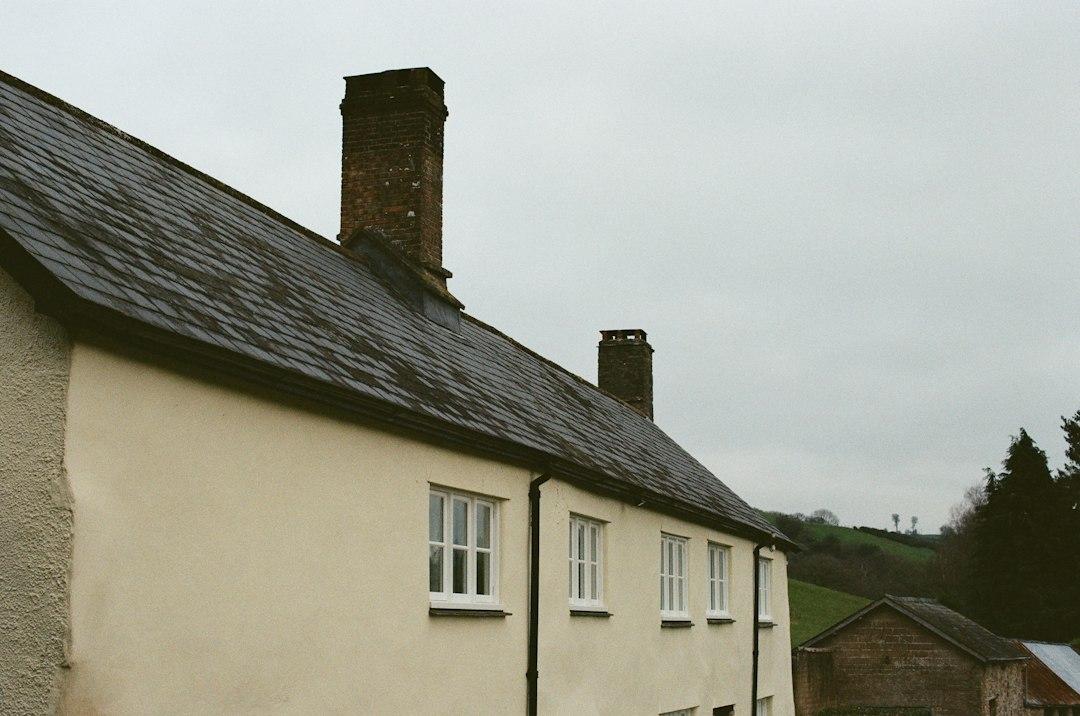
When a camera inspection after a shake comes back with cracked flue tiles, the next question is nearly always the same: does the whole chimney have to come down? Usually not. If the brick around the flue is still sound, a new liner inside the old one restores the chimney's protection without touching the masonry. This post covers how that works for owners in Laguna Woods, when it is not enough, and what moves the cost.
Why a cracked liner matters
The clay tiles inside a masonry chimney are the barrier between the fire and everything else. They carry smoke up and out and keep heat inside the flue. Brick and mortar are not built to do that job alone, and neither is the wood framing a short distance away.
Shaking cracks clay tile in a few typical ways:
- A tile splits from top to bottom along one side
- Joints between tiles open as the stack sways
- Corners chip off where tiles knocked against each other
- Sections slip out of line, leaving a ledge on the inside
Any of these lets heat and combustion gases reach places they should not. With a wood fire, that means the brick and possibly framing nearby. With gas, a crack can let exhaust escape where it does not belong.
What relining involves
A new liner is run inside the existing flue from top to bottom. The usual choices:
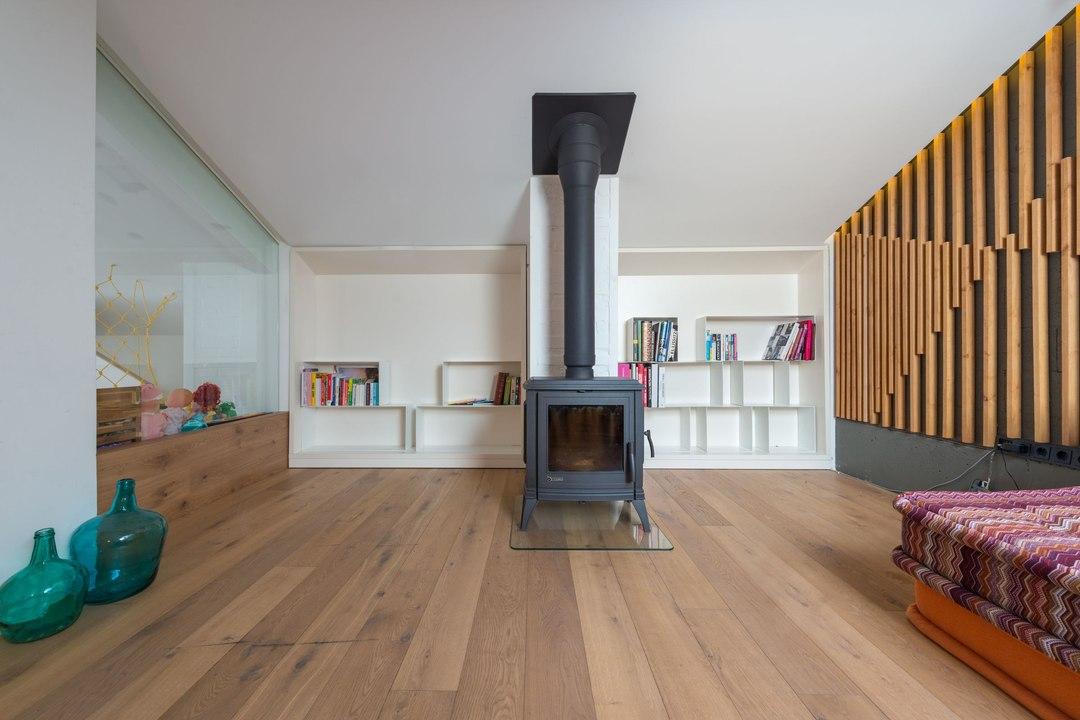
- Stainless steel. A round or oval metal liner sized to the fireplace or appliance it serves, often with insulation around it. The common pick for gas inserts, wood stoves and many open fireplaces.
- Cast in place. A cement-based lining formed inside the flue that bonds to the old tiles and fills the cracks. Suits some masonry flues with uneven damage.
Which one fits depends on what the chimney serves, its shape inside and how badly the tiles are damaged. Before anything is ordered, we measure the flue and confirm the size the appliance calls for.
At the top, the liner gets a new cap and the crown is sealed around it. At the bottom, it connects to the stove or insert, or for an open fireplace, to the throat above the damper.
What on the footage points to relining
Not every mark on a camera run means a new liner. Soot streaks and old water stains are often harmless. What we look for is damage that breaks the seal of the flue: a crack you can see light or brick through, a joint that has opened wide enough to show the mortar behind it, a tile edge that sits proud of the one below, or a missing piece at a corner. One such spot can sometimes be dealt with alone. Several, spread up the height of the flue, is the usual pattern after a quake, and that is where a full liner makes more sense than chasing each crack. The report marks every spot by height so you can see the pattern for yourself.
When a liner is not enough
A liner fixes the inside. It does nothing for brick that has loosened or a stack that has moved. If the camera shows cracked tiles and the outside also shows stepped cracking through the brick, loose top courses or a gap at the wall, relining alone leaves the bigger risk standing. Then the work usually pairs a liner with a partial rebuild or bracing; see Seismic Bracing or a Rebuild?.
What moves the figure
Relining has no single published price because chimneys vary so much. The things that change it:
1. Height. Liner is bought by the foot, so a two-storey chimney takes more. 2. Diameter and type. Set by the appliance. A large open fireplace needs a bigger liner than a small insert. 3. Insulation. Some installs need it to meet clearances; others do not. 4. Obstacles. Offsets in the flue, broken tile pieces or an old damper frame can add work to get the liner down. 5. The top. A new cap and sealing at the crown. 6. The roof. Steep pitches and tile roofs take more care and time.
Related items with a published price:
- Camera inspection that finds the cracks and sizes the job: $390
- Gas insert set into the old firebox: $2,800 to $5,600
A cap over the new liner is quoted after we measure. The liner itself appears on the written scope with its own figure, along with any crown work.
Ask for a relining scope. Mention the appliance on that flue today and whether you already have camera footage, and we take it from there.
Wood, gas or a switch
Relining is a good moment to rethink how you use the fireplace. Owners who light a fire a few times a year often stay with wood. Others move to a gas insert, which needs its own liner anyway, so the cracked tile problem and the upgrade are solved in one job. Each choice calls for a different liner size, so decide before the liner is ordered.
Air rules play a part too. Laguna Woods falls under the South Coast air district, whose Rule 445 limits wood burning on declared no-burn days in winter. Gas fireplaces are not covered by those limits.
After the work
Once the new liner is in, we run the camera through it, and that footage goes into your file. It comes in handy later when a buyer or an insurer asks what was done to the chimney.
Next
Read about the work itself on chimney liner installation, or about the inspection that comes first in Level 2 Inspection After a Quake. When you want a liner priced for your own chimney in Laguna Woods, reach us through the contact page.
Want Your Own Chimney Checked?
Lombard Chimney Care works from Laguna Woods across Orange County. We look for movement, cracking and water first, record it in photos, and write the repair scope and price down before any work is agreed.