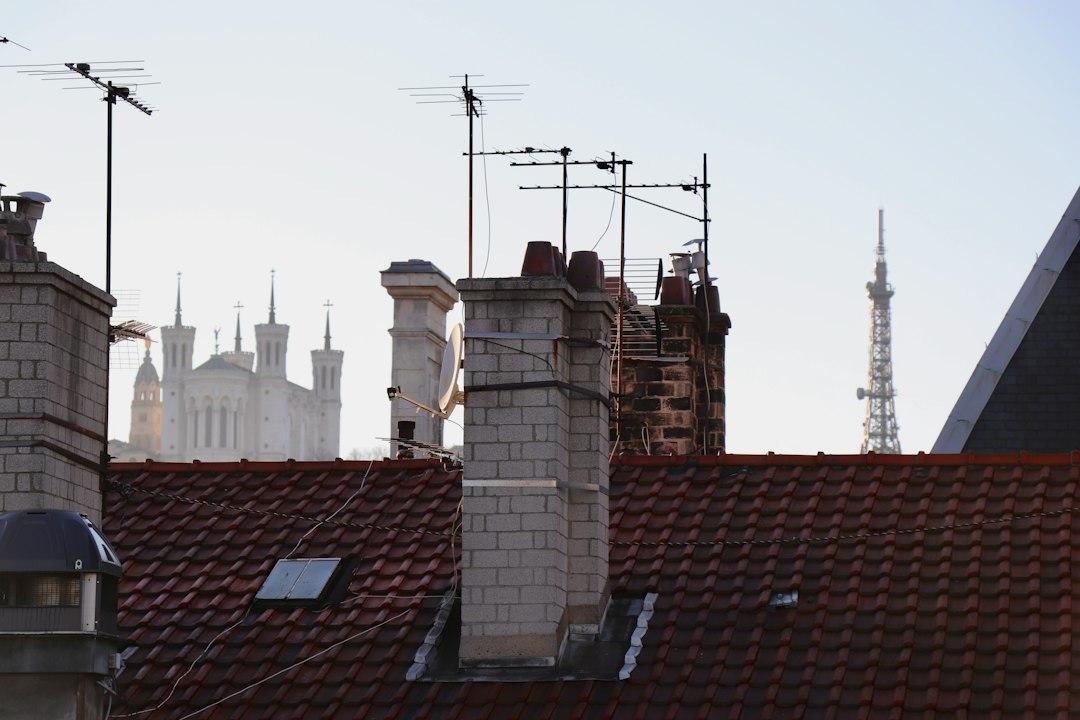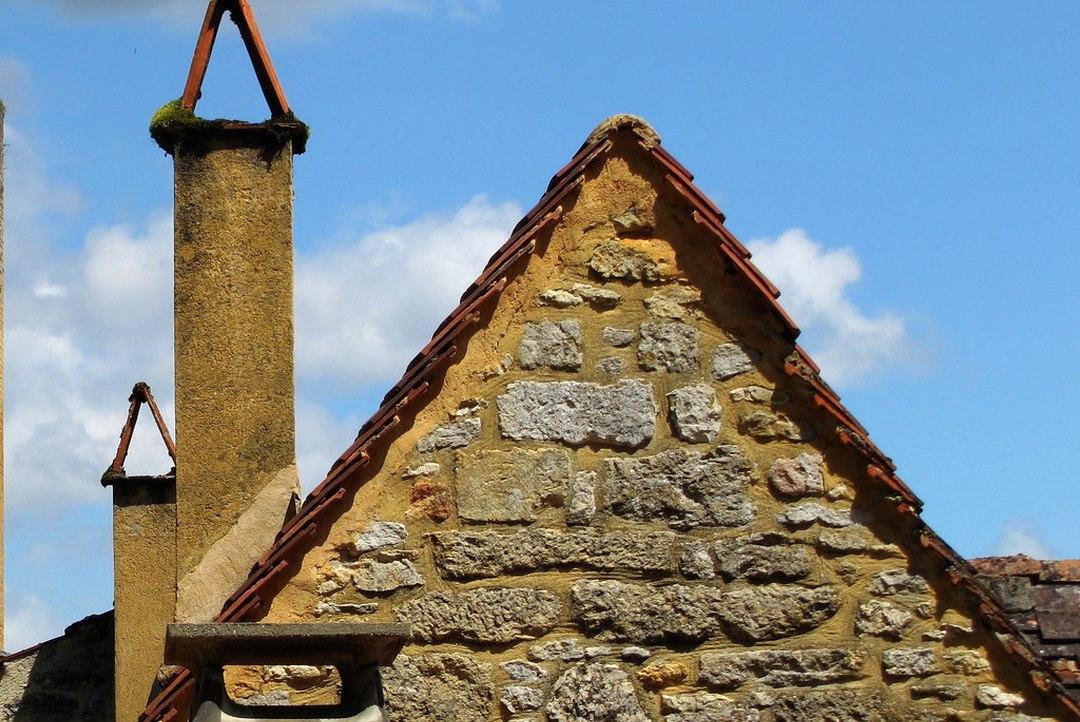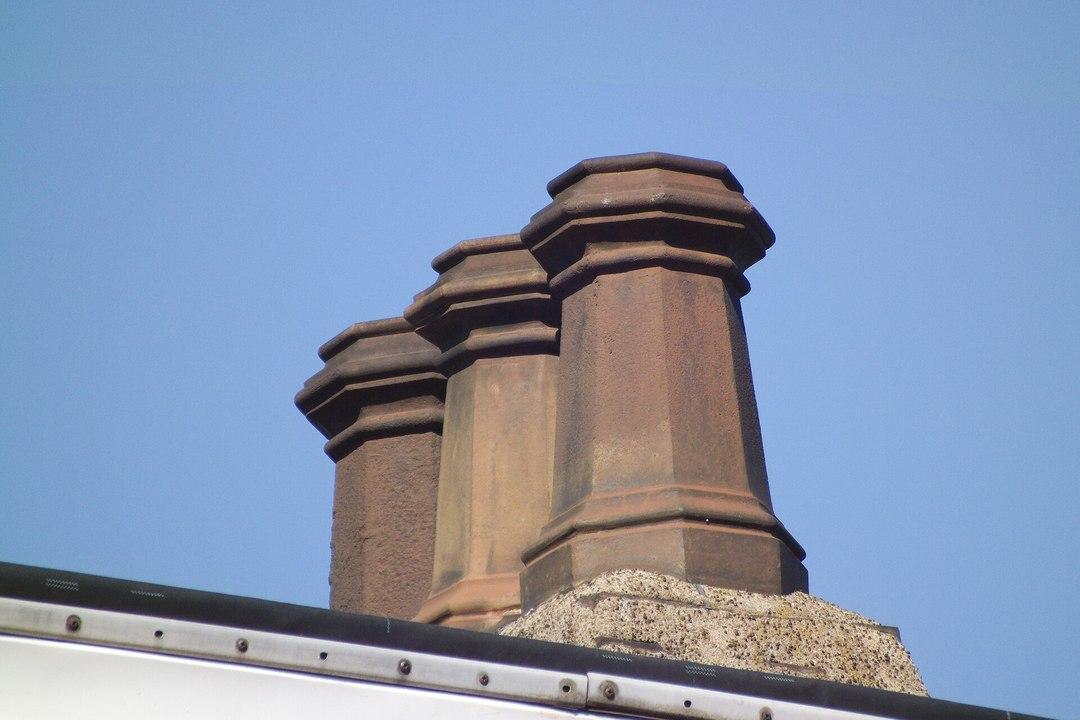
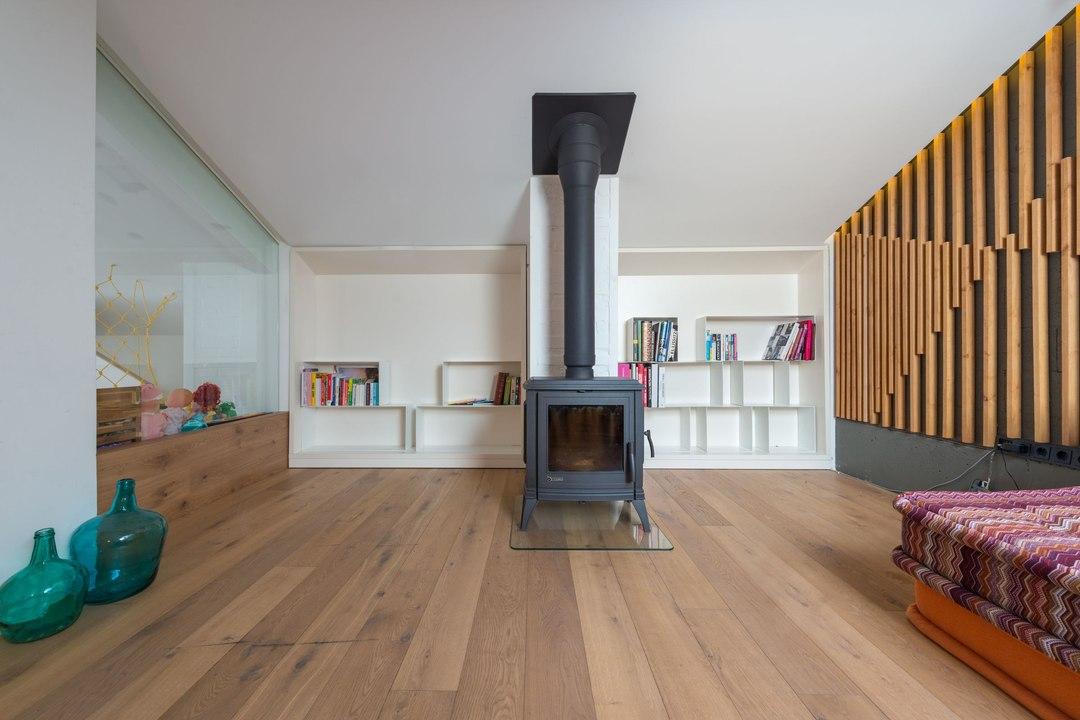
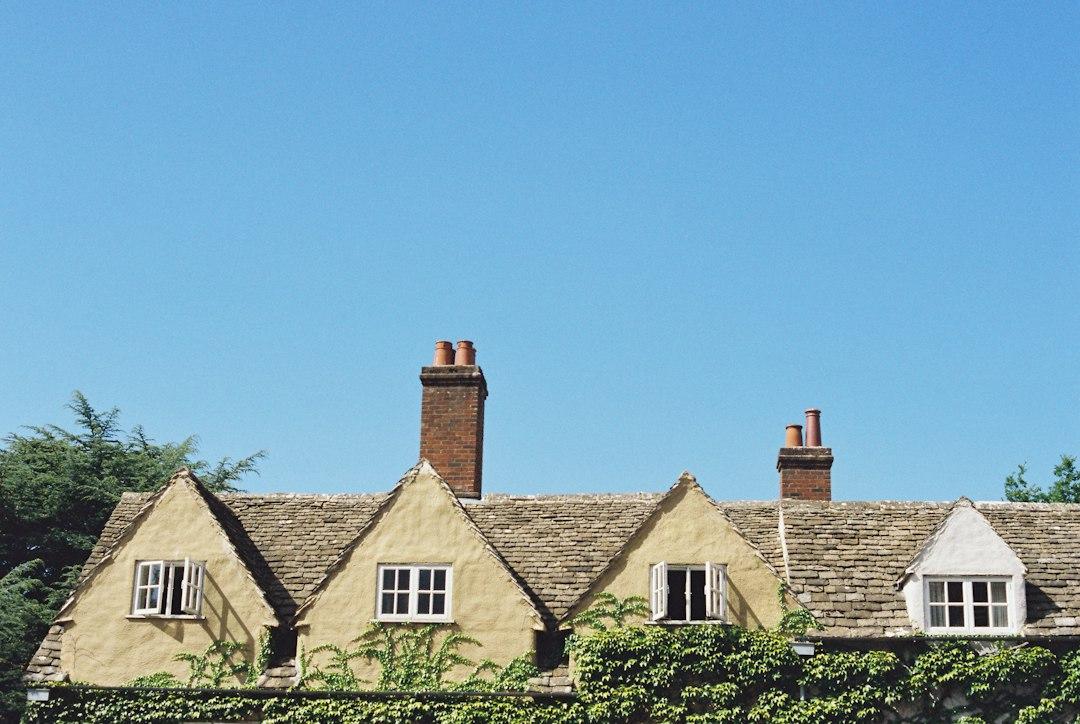
Brick chimneys photograph well. They also show up on escrow repair requests more than almost any other part of an older house, because the buyer's general inspector cannot see inside the flue and writes the line every seller dreads: refer to a chimney specialist. In Laguna Woods, where homes have ridden out every shake since they were built, that referral often finds something.
This post is for owners getting ready to sell. It covers what the buyer's side will look for, why the camera report is worth having first, and what to do with the findings.
What the buyer's side sees
The general inspector walks the house in a few hours. At the fireplace they open the damper, shine a light, look over the firebox and move on. On the roof, if they go up, they see the outside of the stack. That is reasonable for a general inspection, but it misses the liner, and the liner is where quake cracks sit.
So their report says the chimney needs further evaluation. The buyer books a specialist. The specialist runs a camera. If it finds cracked tiles, open joints or a gap where the stack meets the house, that finding lands in the middle of the contingency period with a repair request or a credit attached.
Why sellers go first
Order the same camera inspection before listing and three things change:
1. You see the findings with time to think. A cracked liner in your own report is a choice. In the buyer's report, it is a deadline. 2. You pick the remedy. Repair it, get a written scope and adjust the price, or disclose and let the buyer weigh it. 3. The disclosure package already answers the question. A buyer's agent who finds a dated camera report on file is much less likely to reopen the price over the chimney.
What we often find on older chimneys here
- Cracked or offset liner tiles. Usually from shaking. Relining fixes most of them.
- Open joints at the roofline. The point where the stack flexes most. Repointing, sometimes a partial rebuild.
- A cracked crown. Recast or sealed, depending on how deep the cracks go.
- A stack that has moved off the wall. Bracing, or a rebuild of the upper section.
- A missing or rusted cap. A quick fix, quoted after we measure.
None of these is unusual. What hurts a sale is learning about them late.
Prices a seller can plan around
- Camera inspection before listing: $390
- Visual check without the camera: $165
- Leak tracked down and repaired: $560 to $3,350
- Gas unit fitted into a firebox you would rather not burn wood in: $2,800 to $5,600
A new cap on top is quoted after we measure. Relining, crown work, brick repair and rebuilding each get a figure on the written scope we prepare from the camera footage, so the number you put toward a credit or a repair budget comes from your own chimney.
Book the pre-listing camera inspection. Let us know when you hope to list and roughly how old the house is, and we set up the visit.
How the visit runs on a house you are preparing to sell
We work around the listing prep. The fireplace gets covered and the room protected before the camera goes in, so nothing is left sooty for the photographer. The camera travels the flue from the firebox to the top, and we record the stretches that matter. Then we go up on the roof to look at the crown, the top courses, the cap and the joint where brick meets roofing, and into the attic to see whether the stack has shifted against the framing. Before we leave, you hear the headline findings in plain words. The written report follows with stills from the footage, roof photos and a short note on each item: what it is, where it is, and how much it matters to someone buying the house.
Repair before listing, or offer a credit?
A small, clear fix such as a cap or a repointed band at the roofline is usually worth doing before the house goes on the market. Paperwork showing the job done reads well in a disclosure file. A larger job like a rebuild is a judgment call. Some sellers would rather hand over a written scope and a credit than manage brickwork in the middle of a move. Your agent will have a view on the local market; we supply the facts and the figures.
What about a gas fireplace?
A gas log set or insert usually vents up the old masonry flue. Buyers' inspectors still refer it on, and a camera inspection still looks at the liner. The difference is mostly in what a crack means: gas exhaust runs cooler than wood smoke, but a cracked flue can still let combustion gases into the house. We write up each finding with that in mind.
Who gets the report
You do, as the person who books. Name your listing agent and we copy them in. Whether buyers see it is up to you and your agent. Listing agents will find more on our page for listing agents, and sellers on selling your home. If the house shook recently, Level 2 Inspection After a Quake explains what the camera looks for.
In short
A chimney that has ridden out years of shaking deserves a camera look before strangers start bargaining over it. Use our contact page to book the inspection; the report reaches you first, which is the whole point.
Want Your Own Chimney Checked?
Lombard Chimney Care works from Laguna Woods across Orange County. We look for movement, cracking and water first, record it in photos, and write the repair scope and price down before any work is agreed.